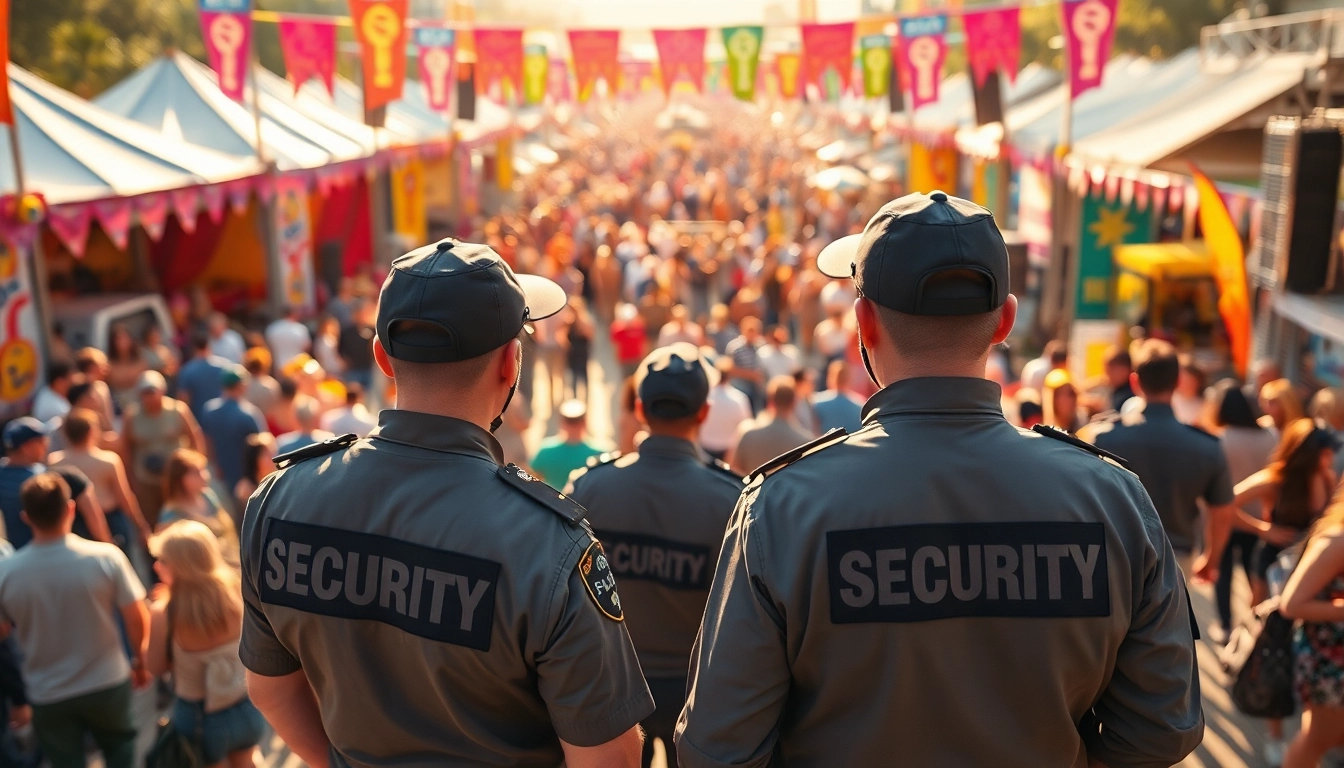
Understanding the Importance of Event Security
In an era where large gatherings have become a staple of both business and entertainment, the significance of Event Security cannot be overstated. Organizers are faced with the dual challenge of accommodating thousands of attendees while ensuring their safety. A secure event not only protects participants but also enhances the overall experience. This article delves deep into the multifaceted world of event security, examining its components, implementation strategies, and the paramount role it plays in successful gatherings.
Defining Event Security
Event security encompasses the measures and protocols established to protect attendees, staff, and property during an event. It includes a range of activities, from risk assessment and planning to onsite personnel and emergency response procedures. Event security is not just about managing threats but also about creating a reassuring environment for all participants. This involves the coordination of various elements such as crowd management, access control, and emergency preparedness.
Key Benefits for Event Organizers
Implementing a solid security plan provides numerous benefits for event organizers:
- Enhanced Safety: Attendees feel secure, encouraging higher attendance and participation rates.
- Damage Control: Effective security reduces the likelihood of incidents, mitigating potential damages and liabilities.
- Reputation Management: A well-secured event positively reflects on the organizer’s reputation, fostering trust and loyalty.
- Compliance and Regulations: Adhering to laws and industry standards is crucial, and robust security helps maintain compliance.
Common Threats and Risks
Event organizers must be aware of potential threats that could endanger event safety:
- Crowd Control Issues: Overcrowding can lead to panic and injury.
- Uninvited Guests: Unauthorized individuals may disrupt events or pose security risks.
- Violent Behavior: Conflicts among attendees can escalate, necessitating immediate intervention.
- Natural Disasters: Events must be prepared for emergencies such as fires or severe weather.
Essential Elements of an Event Security Plan
Conducting a Risk Assessment
The cornerstone of any effective event security plan is a thorough risk assessment. This involves identifying potential risks based on the event type, location, and expected attendance. Organizers should consider factors such as:
- Type of event (e.g., concert, conference).
- Venue characteristics (e.g., accessibility, layout).
- Historical data regarding similar events.
- Current socio-political climate influences.
By identifying risks early on, organizers can formulate appropriate responses and allocate resources efficiently.
Establishing Security Protocols
Following risk assessment, the next step is establishing comprehensive security protocols. These protocols should outline every aspect of event security, including:
- Access controls and credential verification.
- Crowd management strategies and emergency procedures.
- Communication plans for security personnel and staff.
- Training requirements for security staff.
Clear, actionable protocols ensure all staff understand their roles and responsibilities, enhancing response times during incidents.
Collaboration with Local Authorities
Building a relationship with local law enforcement and emergency services can significantly bolster event security. Collaboration can include:
- Consultations to understand local regulations and resources.
- Joint training exercises to improve response efficiency.
- Establishing a rapid response plan in case of unforeseen incidents.
This partnership fosters a comprehensive security environment, utilizing all available resources for optimal safety.
Best Practices for Event Security Personnel
Training and Certification Essentials
Well-trained security personnel are vital to any successful security plan. Key training focuses should include:
- Conflict resolution techniques.
- Emergency response protocols.
- Crowd management skills.
Additionally, obtaining relevant certifications ensures that personnel meet industry standards and are equipped to handle various situations effectively.
Effective Communication Skills
Security personnel must possess excellent communication skills to coordinate efficiently during an event. Clear communication among team members is essential to:
- Address emerging security concerns swiftly.
- Relay information to attendees during emergencies.
- Collaborate effectively with law enforcement and other agencies.
Utilizing two-way radios and communication devices can enhance real-time reporting abilities among security staff.
Implementing Crowd Management Techniques
Effective crowd management is crucial in preventing chaos and ensuring safety. Key techniques include:
- Setting up clear signage and barriers to control movement.
- Buttoning scheduling and flow to prevent bottlenecks.
- Designating specific gathering points for emergency situations.
Organizers should continuously assess crowd behaviors to make adjustments and proactively address issues.
Leveraging Technology in Event Security
Utilizing Surveillance Systems
Modern surveillance systems are integral to comprehensive event security. Cameras placed strategically throughout the venue can:
- Provide real-time monitoring of crowds and areas from a control center.
- Record footage for post-event reviews and incident analysis.
- Enhance the response capabilities of security staff when issues arise.
Mobile Apps for Real-Time Reporting
Advancements in technology enable the use of mobile applications that promote real-time reporting. These apps can:
- Allow security personnel to report incidents immediately.
- Facilitate direct communication with local authorities during emergencies.
- Enhance coordination among security staff for collective responses.
Access Control Solutions
Access control measures ensure that only authorized personnel and ticketed attendees enter the venue. Effective access control technologies include:
- Electronic ticketing systems that validate attendance.
- Body scanners for detecting prohibited items.
- Credentialing systems for staff and vendors.
Such measures enhance security while maintaining a smooth entry experience for participants.
Evaluating Event Security Performance
Measuring Success Metrics
Post-event evaluations are essential for assessing the success of security strategies. Organizers should focus on several metrics, including:
- Number of incidents reported during the event.
- Response times to emergencies.
- Attendee feedback on security visibility and effectiveness.
These metrics provide insight into what worked well and what may need improvement in future events.
Conducting Post-Event Reviews
A comprehensive post-event review allows for a detailed examination of security operations. This process should entail:
- Collecting input from security personnel and attendees.
- Analyzing incident reports and areas needing enhancement.
- Comparing outcomes with initial expectations and benchmarks.
A thorough review fosters a culture of continuous improvement and informs future security strategies.
Adapting Strategies for Future Events
Based on post-event evaluations, security strategies should evolve. Adaptations may include:
- Incorporating new technology based on past incidents.
- Revising training protocols for security personnel.
- Adjusting communication channels and protocols.
This proactive approach ensures that security plans remain robust against emerging threats and challenges.
FAQs about Event Security
What are the main challenges in event security?
Common challenges include crowd control, managing potential threats, and ensuring effective communication among security staff.
How should I prepare my event space for security?
Conduct a thorough risk assessment, identify access points, and develop clear security protocols to address potential issues.
What technology can enhance event security?
Utilizing surveillance cameras, access control systems, and real-time reporting apps can significantly bolster event security measures.
Is specialized training necessary for security personnel?
Yes, training in conflict resolution, emergency response, and communication is essential for effective event security personnel.
How can I evaluate the success of my security plan?
Review incident reports, gather feedback from attendees, and analyze the overall safety of the event to measure success.