Understanding Cabinet Refacing Clearwater FL
What is Cabinet Refacing?
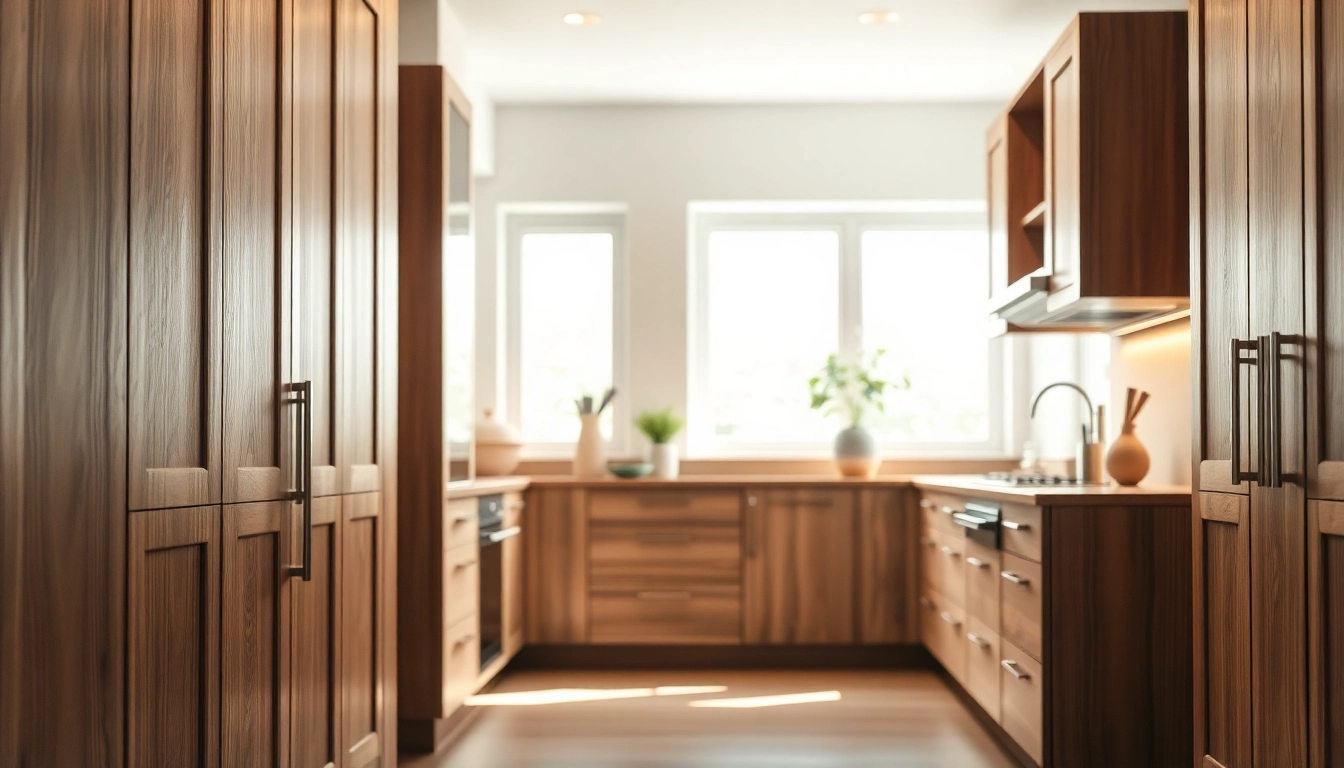
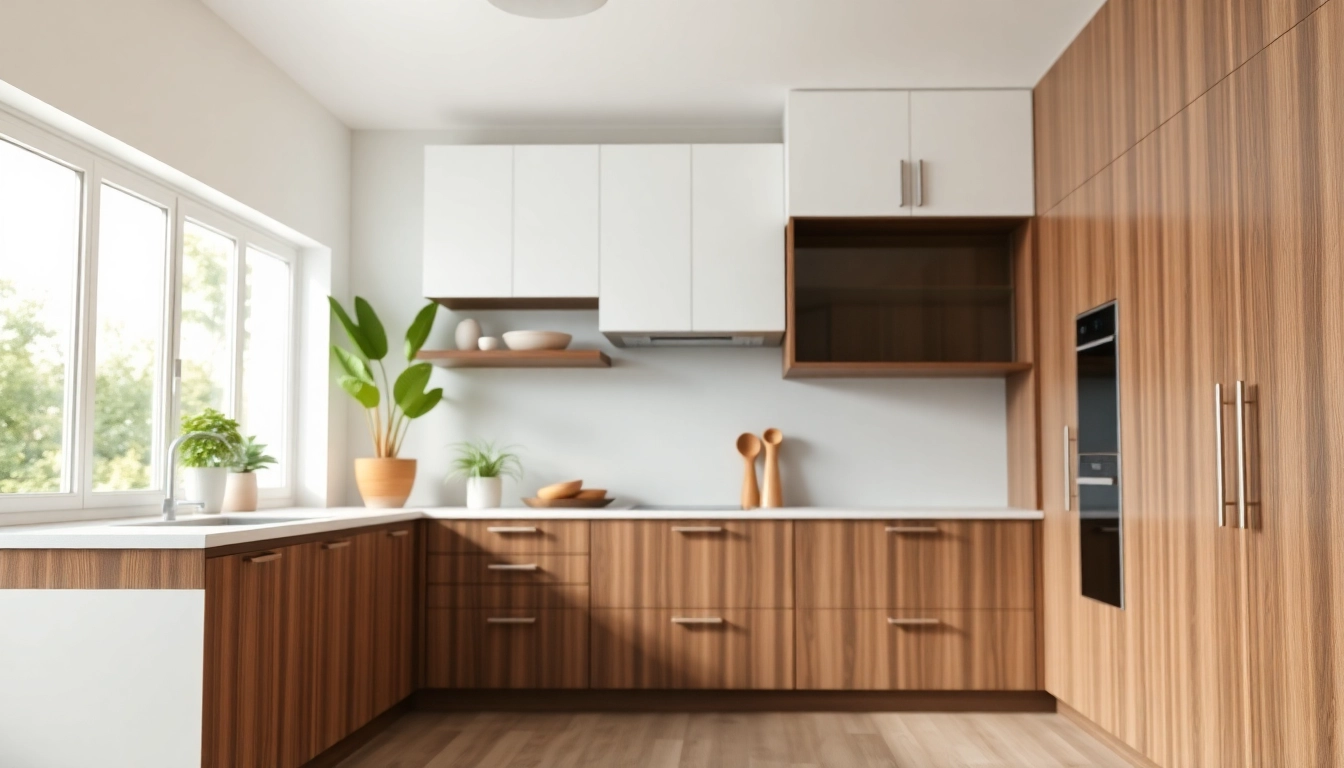
Cabinet refacing is a process that allows homeowners to update their kitchen or bathroom cabinetry without undergoing a complete tear-out. The procedure involves replacing the cabinet doors and drawer fronts while keeping the existing cabinet boxes intact. This method significantly reduces waste and construction time and offers an opportunity to refresh the look of your space quickly and affordably. Choosing Cabinet Refacing Clearwater FL can provide a perfect solution for those seeking a makeover without a full remodel.
Benefits of Cabinet Refacing
Cabinet refacing offers numerous advantages for homeowners looking to enhance their living spaces. Some key benefits include:
- Cost Efficiency: Refacing is typically more affordable than a complete cabinet replacement, making it an attractive option for budget-conscious homeowners.
- Less Waste: By keeping the existing cabinet structure, cabinet refacing minimizes landfill waste compared to full remodels.
- Quick Transformation: Often completed in just a few days, refacing allows for a swift transformation without the long timelines associated with extensive renovations.
- Customization: Homeowners can choose from a wide variety of materials, colors, and finishes, making it easy to achieve the desired aesthetic.
- Increased Home Value: An updated kitchen with beautiful cabinets can significantly increase the overall value of a home, appealing to potential buyers.
Cost Effectiveness of Refacing
One of the primary reasons homeowners opt for cabinet refacing is its cost-effectiveness. The average cost to reface cabinets can range from $3,000 to $9,000, depending on factors like size, material, and complexity. In contrast, a complete cabinet remodel can easily exceed $15,000. By opting for refacing, you not only save money but can also achieve a fresh, updated look without compromising quality. This investment can immensely benefit your home’s overall resale value and appeal, especially in a market like Clearwater, FL, where aesthetics matter significantly to buyers.
Choosing the Right Materials
Popular Wood Options for Refacing
When it comes to materials for cabinet refacing, wood remains a favored choice due to its natural beauty and durability. Popular wood options include:
- Maple: Known for its fine, even grain and light color, maple is an excellent choice for a modern aesthetic.
- Oak: This traditional wood is favored for its strength and distinctive grain pattern, ideal for rustic or classic designs.
- Cherry: Offering a rich, warm color that deepens with age, cherry is a luxurious option for upscale kitchens.
- Plywood: Often used in cabinet construction, high-quality plywood can also be a great surface material for refacing.
Paint vs. Veneer Finishes
Choosing between paint and veneer finishes is crucial in achieving your desired cabinet look. Painted finishes offer a sleek, modern appearance and come in virtually any color, making them highly customizable. However, they may show wear over time if not properly maintained.
On the other hand, veneer finishes provide the rich, natural look of wood with added durability. Veneers are thin layers of real wood adhered to a substrate, allowing for the beauty of solid wood without the higher costs. Both options have their benefits; the choice ultimately depends on your style preferences and desired maintenance level.
Durability Considerations in Materials
Durability is a critical factor in choosing materials for refacing cabinets. High-quality woods like oak and maple tend to withstand the wear and tear of daily use better than softer woods. Additionally, proper finishing techniques can enhance resistance to moisture and scratching. When selecting materials, homeowners should balance aesthetics with functionality, ensuring that their choice will maintain its beauty over years of use. Furthermore, investing in durable, high-quality materials retains the cabinet’s appearance while minimizing the need for future repairs.
The Cabinet Refacing Process Explained
Step-by-Step Refacing Guide
The cabinet refacing process typically involves several steps, ensuring a smooth, efficient transformation:
- Removal of Old Fixtures: Begin by removing old cabinet doors, drawer fronts, and hardware.
- Surface Preparation: Clean and prepare surfaces, ensuring any surface imperfections are addressed.
- Installation of Veneer or New Fronts: Depending on your choice, apply veneers or install new cabinet fronts onto the existing boxes.
- Painting or Finishing: If opting for paint, apply a high-quality paint finish; otherwise, ensure veneer surfaces are properly sealed.
- Installation of New Hardware: Finalize the project by installing new knobs, pulls, and hinges that match the overall design.
Preparation and Measuring
Before beginning the refacing process, adequate preparation is crucial. This includes measuring existing cabinets to ensure the new doors and drawers fit perfectly. Accurate measurements help avoid misalignments that can lead to an unprofessional finish. Additionally, assessing the current hardware and identifying areas of required repair or replacement can streamline the overall process.
Installation Techniques
Several techniques can be applied during the installation phase, ensuring a flawless transition. For those using veneers, a strong adhesive must be applied carefully to prevent air bubbles and misalignment. Using clamps during the drying process can ensure a strong bond. Similarly, when installing new doors and drawers, aligning them correctly is crucial for a cohesive look. Expert installation, whether done DIY or by a professional, ensures that the final result looks polished and professionally completed.
Design Inspirations and Trends
Modern vs. Traditional Styles
Cabinet refacing allows homeowners to explore various design styles. Modern designs often incorporate clean lines, neutral color palettes, and minimalist handles, creating a sleek, contemporary feel. In contrast, traditional styles may include ornate details, rich wood tones, and intricate mouldings, contributing to a classic look. Assessing your home’s architecture and personal preferences will guide you in selecting a design that complements your overall aesthetic.
Incorporating Open Shelves
Open shelving is a prominent trend that pairs beautifully with refaced cabinets. This design choice provides a space for showcasing decorative items, cookbooks, and dishware while adding an airy feel to the kitchen. Pairing open shelving with refaced cabinets crafts a stylish and functional space, allowing you to personalize your kitchen decor. However, maintaining the organization of open shelves is crucial for ensuring they enhance rather than clutter the aesthetic.
Color Palettes to Consider
Color selection plays a significant role in shaping the mood of your kitchen. Popular options currently include soft pastels for a serene look, bold colors for energizing contrasts, and classic white for timeless elegance. When selecting colors, consider factors such as lighting, adjacent spaces, and cabinetry styles. A cohesive color palette will create a harmonious ambiance throughout your home.
Maintaining Your Refaced Cabinets
Cleaning and Care Tips
Proper maintenance is critical in ensuring the longevity and beauty of your refaced cabinets. Regularly dusting cabinets and using a damp cloth to wipe surfaces will prevent the buildup of grime. For deeper cleaning, prioritize pH-balanced cleaners that avoid harsh chemicals, which can damage finishes. Additionally, ensure that any spills are wiped clean immediately to prevent stains or damage.
Common Issues and Solutions
Even with careful maintenance, common issues may arise with refaced cabinets. These can include peeling veneers, stubborn stains, or loose hardware. For peeling veneers, reapplying adhesive or using wood glue can address the issue. Stains can often be removed with gentle scrubbing or a specialized cleaner. Loose hardware should be tightened regularly to prevent further damage from misalignment.
When to Reconsider Refacing
While cabinet refacing is a wonderful option for many, there are instances where it may be best to reconsider. If the current cabinets are structurally unsound or damaged beyond repair, it may be more practical to invest in new cabinets. Similarly, if the layout requires significant changes for improved functionality, a full remodel may be more appropriate. Assessing both the condition of your cabinets and your functional needs will help determine if refacing is the right choice.
FAQs:
What is cabinet refacing? Cabinet refacing involves replacing cabinet doors and veneer while retaining the existing cabinet structure, allowing for a refreshed look.
How long does the refacing process take? The refacing process typically takes 3-5 days to complete, depending on the project’s size and complexity.
Is cabinet refacing worth it? Yes! Cabinet refacing is a cost-effective way to refresh your kitchen and can significantly enhance its aesthetic without a full remodel.
Can I choose my cabinet colors? Absolutely! A variety of colors and finishes are available to customize your cabinets to match your style and decor.
Will my kitchen be out of commission during refacing? Most refacing projects limit disruption, typically allowing kitchen use during the process without major inconvenience.