

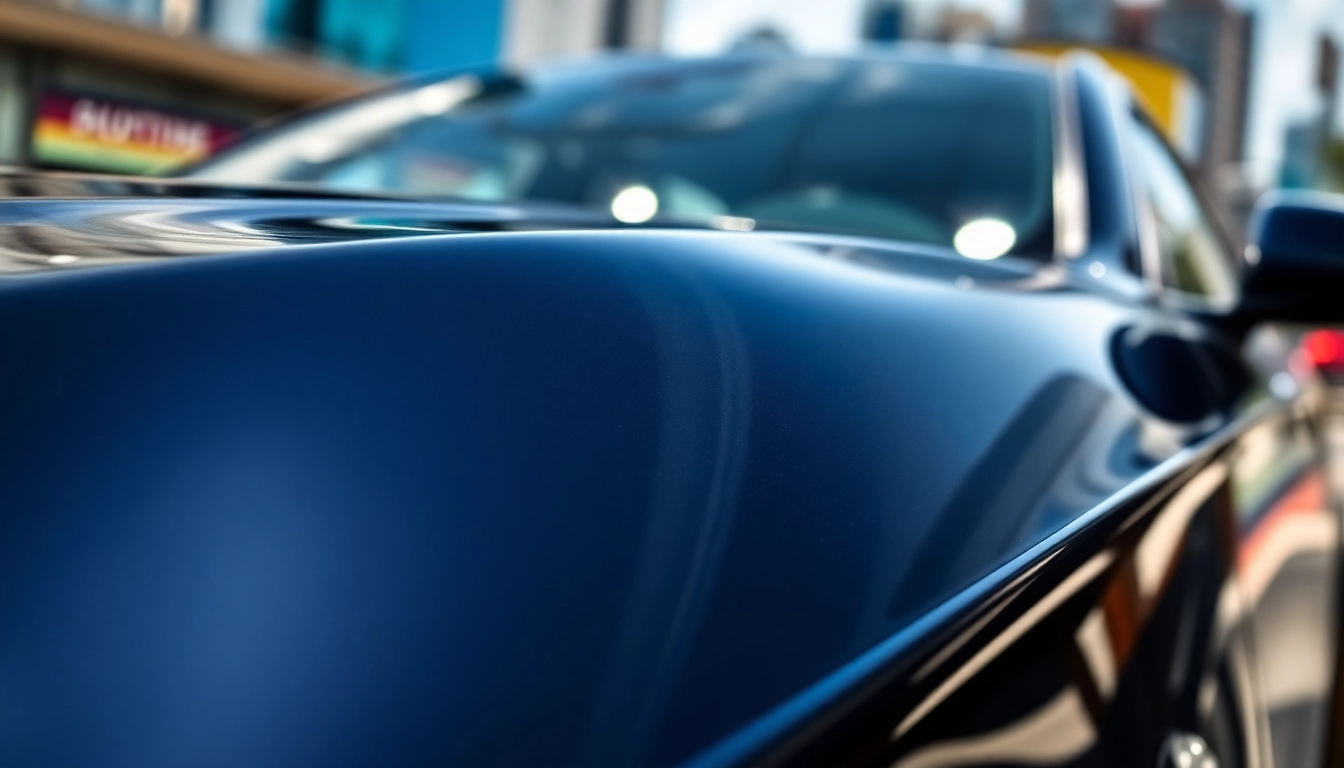
Understanding Paint Protection Film
What is Paint Protection Film?
Paint Protection Film (PPF), often referred to as clear bra, is a high-performance thermoplastic urethane film applied to painted surfaces of vehicles. This innovative product was designed to protect the paint underneath from scratches, chips, and other environmental damage. The film is virtually invisible and can be applied to the entire car or specific areas that are most susceptible to damage, such as the hood, bumpers, and side mirrors.
Benefits of Using Paint Protection Film
The advantages of applying paint protection film are numerous. Some significant benefits include:
- Enhanced Protection: PPF provides a robust barrier against road debris, rocks, and insects, significantly reducing the risk of scratches and chips.
- UV Protection: The film protects the paint from harmful UV rays, which can fade and oxidize the vehicle’s color over time.
- Self-Healing Properties: Many modern PPF products are designed with self-healing technology, meaning that minor scratches can disappear with heat exposure from the sun or a warm environment.
- Cost-Effective Maintenance: By preserving the vehicle’s paint, PPF can enhance resale value and save costs associated with repainting or touch-ups.
- Easy Cleaning: The smooth surface of the film makes it easier to clean and maintain than traditional automobile paint.
Common Types of Paint Protection Films
There are various types of paint protection films available on the market, each designed with specific features to cater to different needs:
- Standard Films: These offer basic protection against scratches and chips and are typically the most affordable option.
- Self-Healing Films: These advanced films feature a unique topcoat that allows minor scratches to heal themselves, maintaining clarity and aesthetics.
- Matte Films: Designed for vehicles with matte finishes, these films provide protection while maintaining a non-glossy look.
- Hybrid Films: Combining the qualities of traditional and self-healing films, hybrids offer versatile solutions for diverse applications.
What to Look for in Local Providers
Key Qualities of a Reliable Installer
Finding the right provider for installing paint protection film is crucial for ensuring the film’s performance and longevity. Here are some qualities to look for:
- Experience: Choose a provider with extensive experience in PPF installation. An established provider will have a portfolio showcasing their work.
- Certifications: Look for installers who are certified by PPF manufacturers, indicating they have undergone professional training.
- Reputation: Research customer reviews and testimonials to gauge the service quality and reliability.
- Comprehensive Services: A good installer offers a range of services, from consultation and installation to post-care services.
Questions to Ask Your Installer
Before making a decision, it’s beneficial to ask your installer the following questions:
- What brands of paint protection film do you use, and why?
- Can you provide references or examples of previous work?
- What is the warranty period for the film and the installation?
- How do you ensure proper installation and avoid air bubbles?
- What post-installation care is required to maintain the film?
Understanding Pricing for Paint Protection Film Near Me
The cost of paint protection film installation can vary significantly based on several factors:
- Film Quality: High-quality films generally cost more but offer better protection and aesthetics.
- Coverage Area: The size of the area being covered will impact pricing; full-car installations are more expensive than partial ones.
- Installer Expertise: Highly skilled installers may charge a premium for their services.
It’s a good idea to gather quotes from several providers in your area to ensure you get a competitive price for paint protection film near me.
Installation Process of Paint Protection Film
Preparation Steps Before Installation
Before the application of paint protection film, several critical preparation steps must be followed:
- Thorough Cleaning: The surface of the car should be meticulously cleaned to remove any dirt, wax, or grease that could affect adhesion.
- Surface Inspection: Inspect the paintwork for any imperfections that could lead to bubbling or uneven application.
- Temperature Control: The installation area should be temperature-controlled to ensure optimal bonding conditions for the film.
Step-by-Step Installation Overview
The installation process typically follows these steps:
- Measure and Cut: The installer measures the car’s dimensions and cuts the film accordingly, allowing for precise fitting.
- Positioning: The film is positioned on the vehicle and checked for alignment before any adhesive is activated.
- Application: Using a solution that allows for repositioning, the film is applied, and a squeegee is used to remove air bubbles and excess water.
- Final Touches: The film’s edges are trimmed and sealed, ensuring a clean finish.
Post-Installation Care for Longevity
After installation, proper care is essential to prolong the life of the paint protection film:
- Avoid Water Exposure: Do not wash the car for at least 48 hours to allow the adhesive to cure fully.
- Gentle Cleaning: Use a pH-neutral soap and soft cloths when cleaning the PPF to avoid scratches.
- Regular Inspections: Check the edges and surface of the film periodically for any lifting or damage.
Comparing Different Brands of Paint Protection Film
Top Brands Available Near Me
While various brands of paint protection film can meet a wide range of needs, considering the following could lead to an informed choice:
- Quality: Assess films based on thickness, warranty, and brand reputation within the industry.
- Features: Some brands offer advanced features like self-healing properties or enhanced gloss.
- Availability: Ensure the chosen brand is easily available through local providers for installation.
Customer Reviews and Testimonials
Real customer experiences can provide valuable insight into the performance and reliability of various paint protection films:
- Overall Satisfaction: Look for aggregate ratings that indicate high customer satisfaction.
- Performance Over Time: Assess how well films perform after extended use, including any reported issues like yellowing or peeling.
- Installer Feedback: Many customer testimonials also reference the quality of installation, which can influence long-term performance.
Long-Term Performance Metrics
To evaluate the effectiveness of different PPF brands, consider these performance metrics:
- Durability: How well does the film withstand common hazards like road debris or weather effects?
- Clarity: Does the film maintain transparency over time without yellowing or discoloration?
- Resale Value: Has the use of PPF positively impacted the resale value of the vehicle for past users?
Frequently Asked Questions About Paint Protection Film
How long does paint protection film last?
Paint protection film can last anywhere from 5 to 10 years, depending on the material quality and maintenance practices.
Can I wash my car after installation?
It’s best to avoid washing your car for at least 48 hours after installation to allow the film’s adhesive to set properly.
Is paint protection film worth the investment?
Yes, PPF offers significant long-term savings by protecting your vehicle’s paint and maintaining its resale value.
Will paint protection film yellow over time?
Premium films are designed to resist yellowing, but lower-quality options may discolor over time due to UV exposure.
How do I remove paint protection film if needed?
It’s best to consult a professional for film removal to avoid damage to the underlying paint. Specialized tools and techniques are employed for safe removal.
